
From Bank to Boutique: A Landmark Reborn
Marty Christensen, P.E., Principal Mechanical Engineer
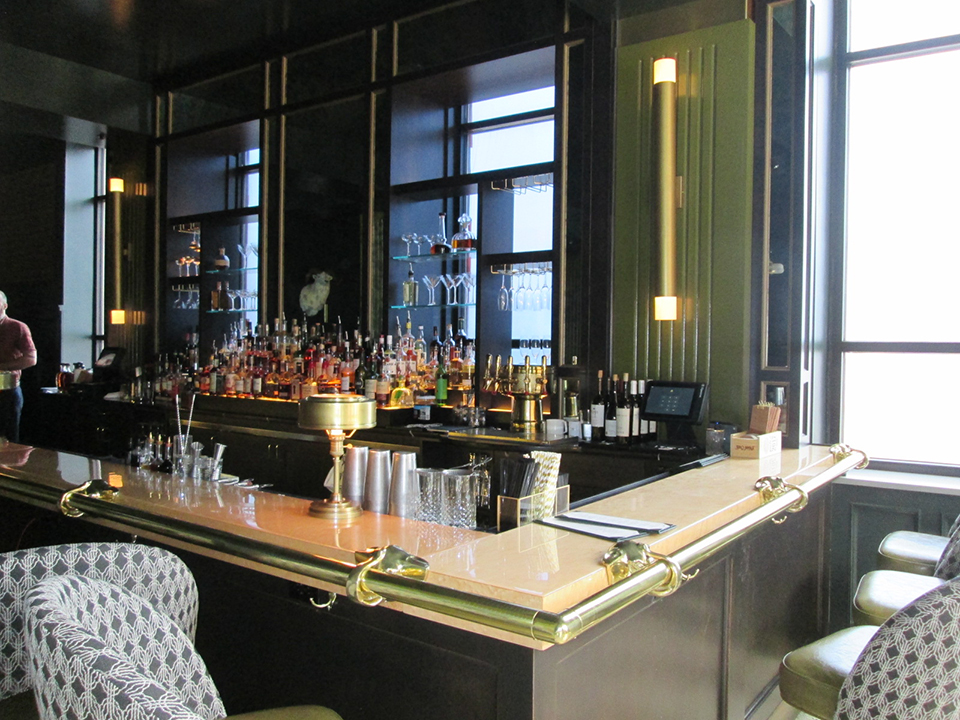
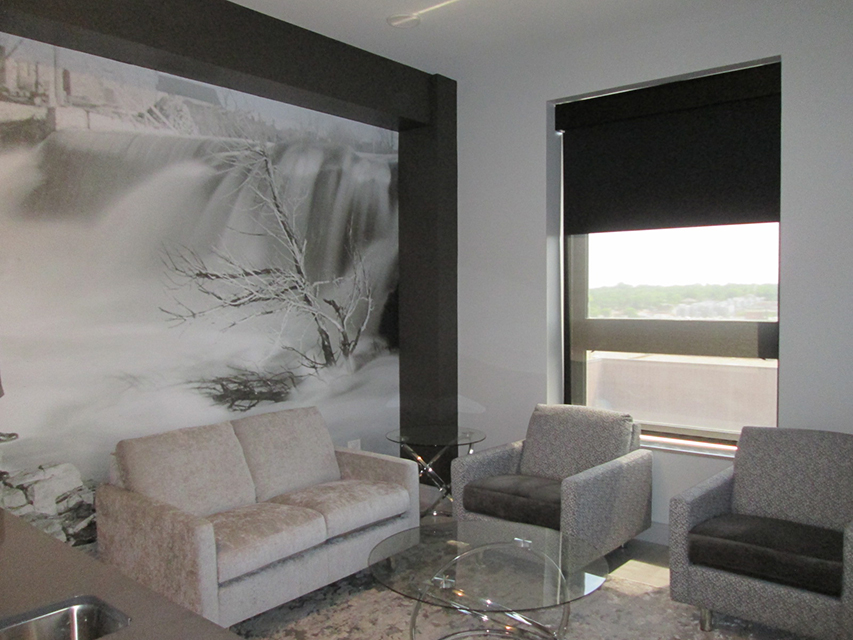
Originally built in 1917–1918 as the Sioux Falls National Bank, this nine‑story historic landmark was transformed through an adaptive reuse renovation into Hotel On Phillips, a 90‑room boutique hotel that blends modern hospitality with preserved architectural character in the heart of downtown Sioux Falls.
Originally constructed in 1917–1918 and once the tallest building in South Dakota, the nine-story structure with basement was sensitively renovated to preserve its architectural heritage while accommodating modern hospitality systems and amenities.
Turning a Bank into a Boutique Hotel
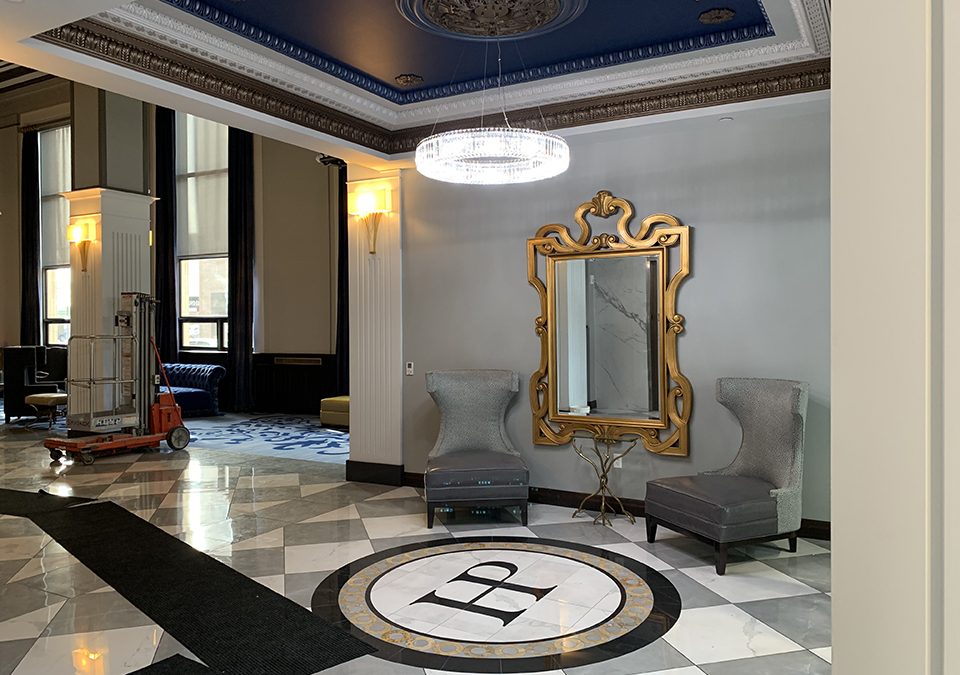
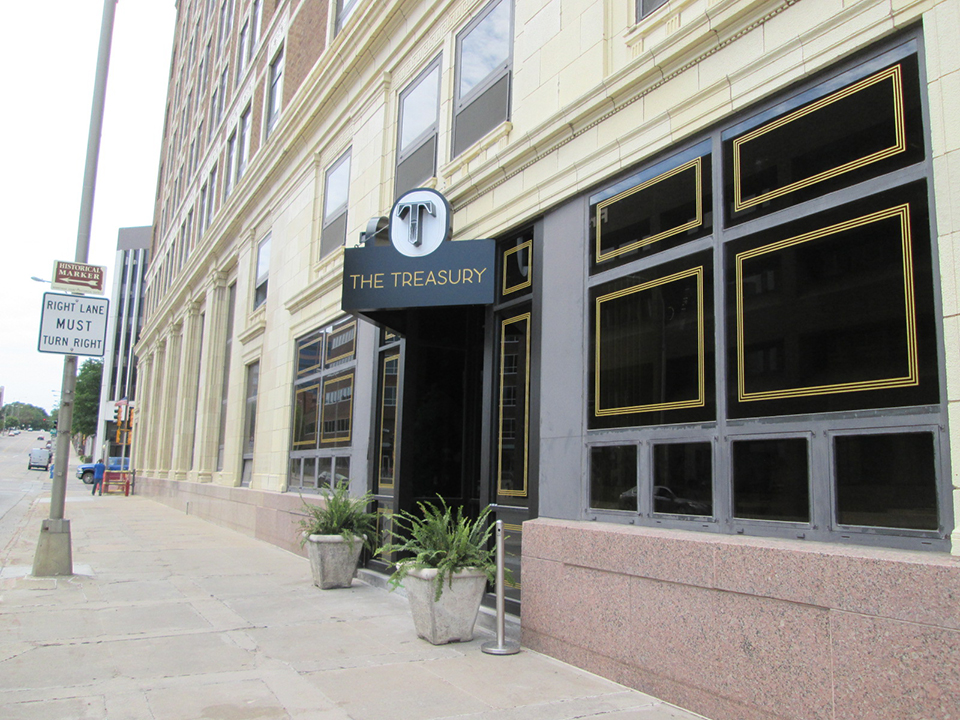
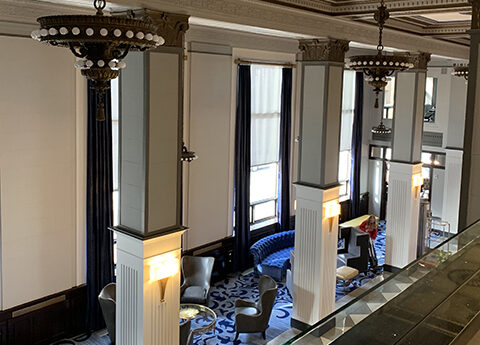
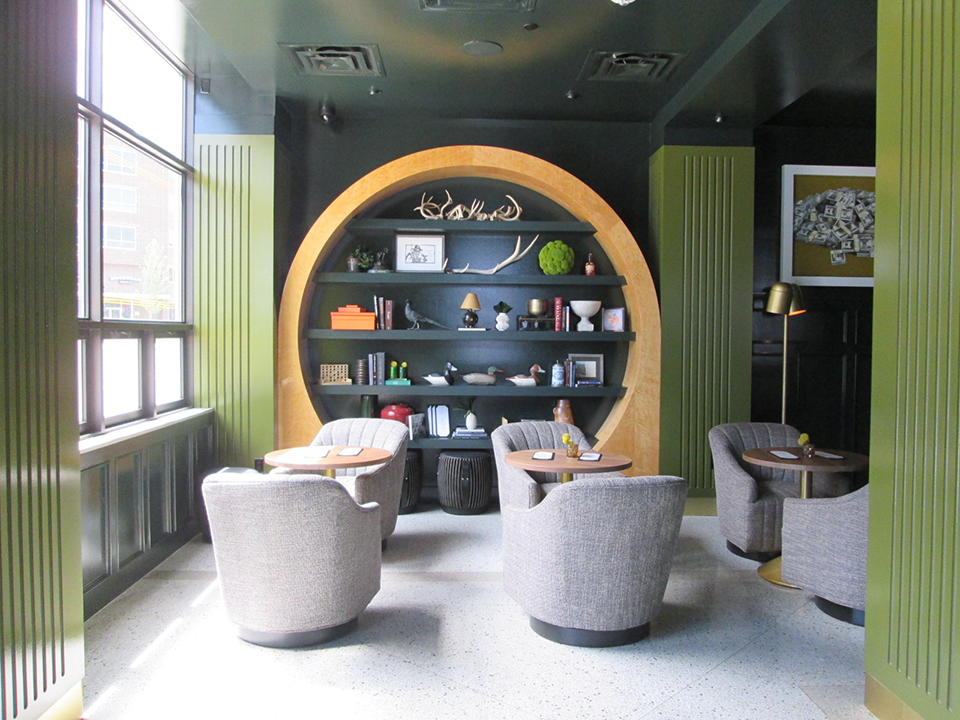
The project transformed approximately 65,000 square feet across nine levels and a basement from former banking and office use into a full-service boutique hotel. A central design challenge was integrating modern building systems within a rigid historic structure defined by thick masonry walls, limited shaft space, and protected architectural elements. Notable preserved features include the building’s original 16-ton, 24-bolt bank vault, which was repurposed as a walk-through entrance to the hotel lounge, The Treasury, as well as historic chandeliers, terrazzo flooring, fluted columns, and decorative ceilings.
Mechanical Systems: Old Building, New Comfort
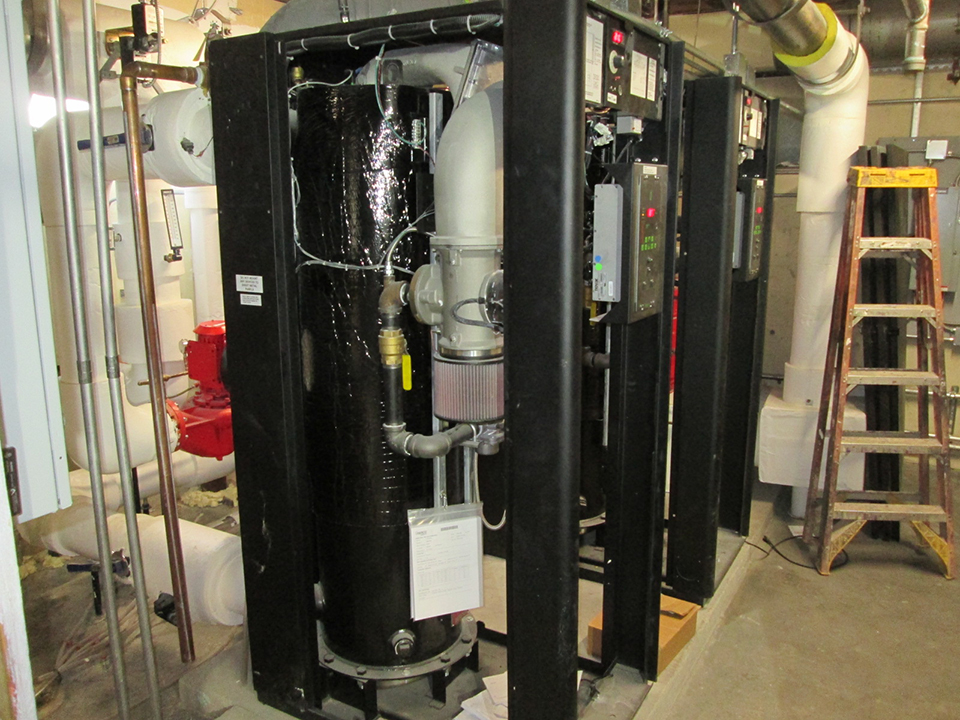
The mechanical design balances guest comfort, operational efficiency, and the constraints of a historic building:
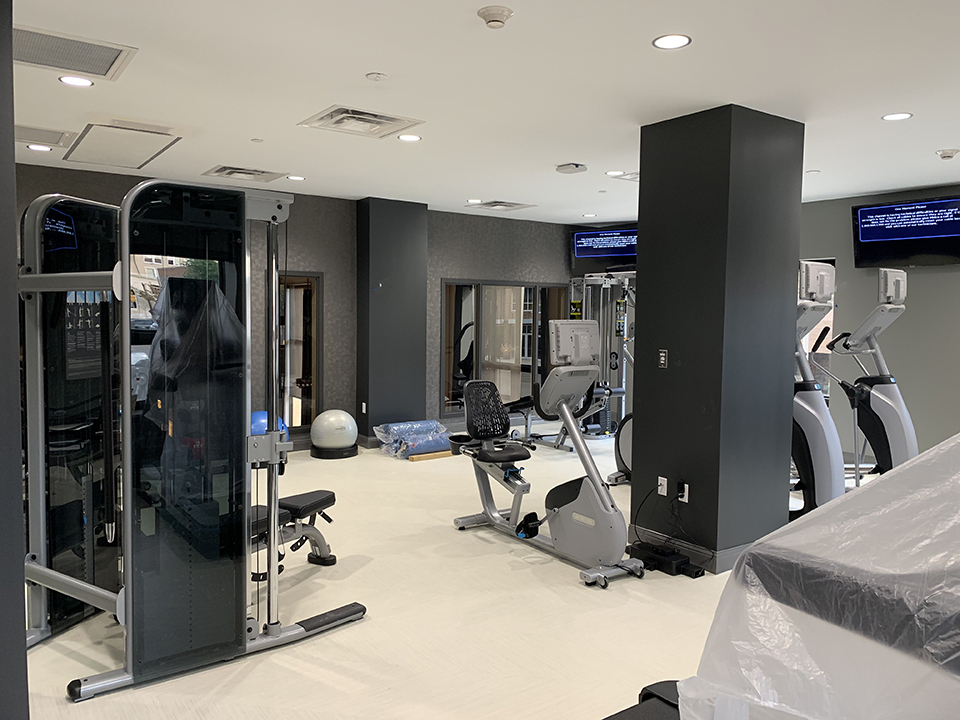
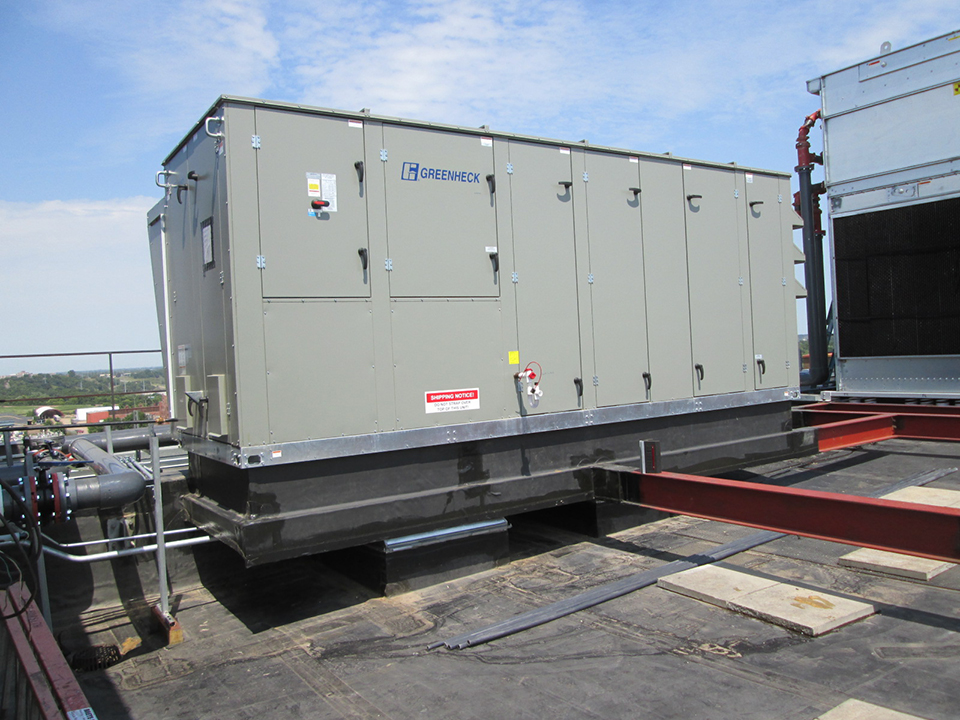
- Common and Support Areas: Served by zoned Variable Air Volume (VAV) systems, allowing precise temperature control across public spaces such as the lobby, mezzanine, lounge, boardroom, fitness center, library, and event spaces.
- Guest Rooms: Each guest room is equipped with a dedicated Variable Refrigerant Flow (VRF) unit, selected to meet owner preferences, improve energy efficiency, minimize ductwork, and reduce impacts on historic finishes. The VRF approach also provides individual room control and simplifies vertical distribution in the existing structure.
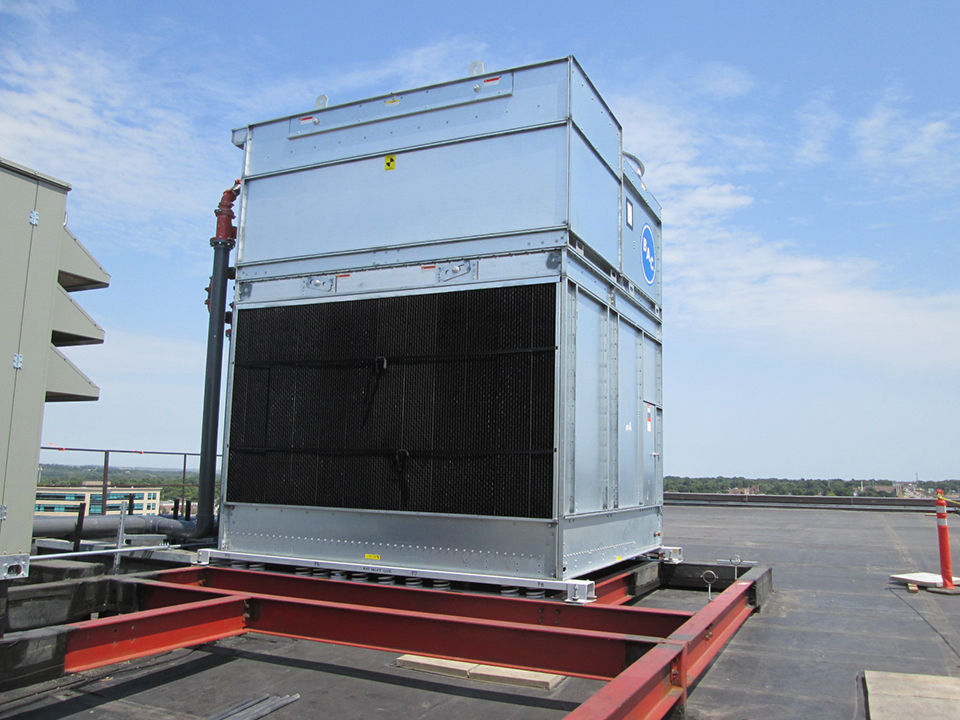
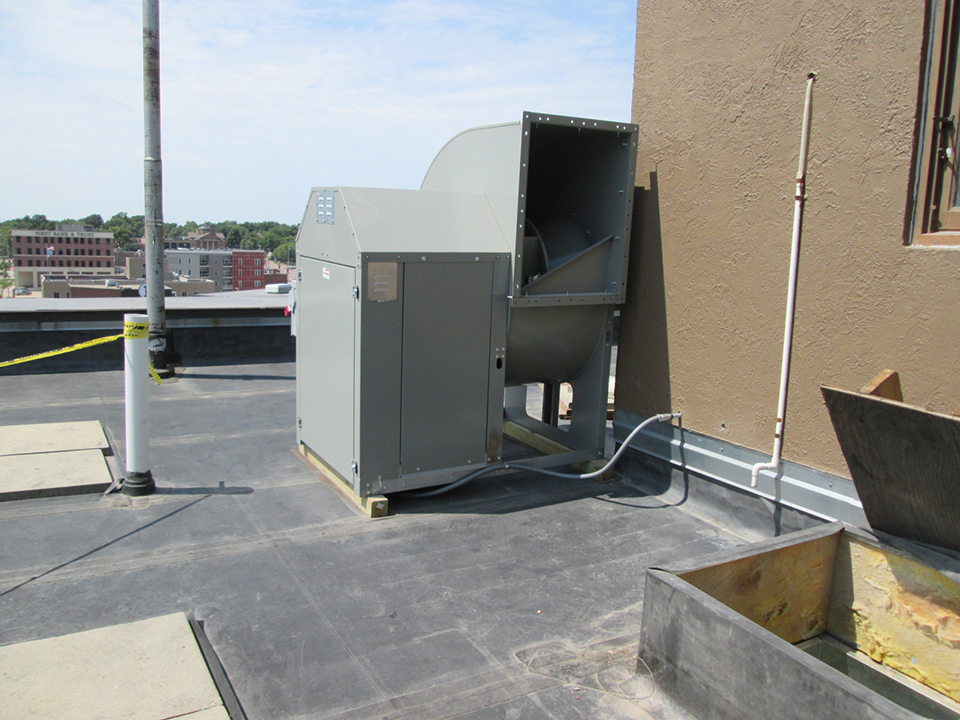
- Mechanical systems were carefully coordinated to fit within existing chases and floor-to-floor limitations, minimizing disruption to historic materials.
Electrical Systems: Reuse Where Posssible, Upgrade Where Needed
The electrical design focused on modernization while reusing viable existing infrastructure:
- Electrical Infrastructure: Much of the existing electrical distribution was evaluated and repurposed where feasible, reducing demolition and preserving the building’s character.
- Lighting Systems: Interior and exterior lighting systems were designed to meet owner requirements while complementing historic spaces.
- Power Distribution: Updated power systems support modern hotel operations, including food and beverage areas, business center, fitness facilities, and back-of-house functions.
Low-Voltage and Life Safety Systems
The design also incorporated modern low-voltage systems essential to hotel operations and safety:
- Fire Alarm System: Fully updated and code-compliant fire alarm coverage appropriate to each space type.
- Telecommunications and Voice Paging: Integrated systems to support hotel operations, staff communications, and guest services.
- Emergency Responder Radio Coverage: Installation of a two-way radio amplification system to ensure reliable communication for first responders throughout the historic structure.
A Historic Landmark, Reimagined
Marty Christensen P.E., President & Principal Mechanical Engineer
Marty Christensen is the President of West Plains Engineering, as well as a Principal Mechanical Engineer with more than 30 years of consulting experience. Marty served as the Principal-in-Charge overseeing the design of the Hotel on Phillips renovation.