
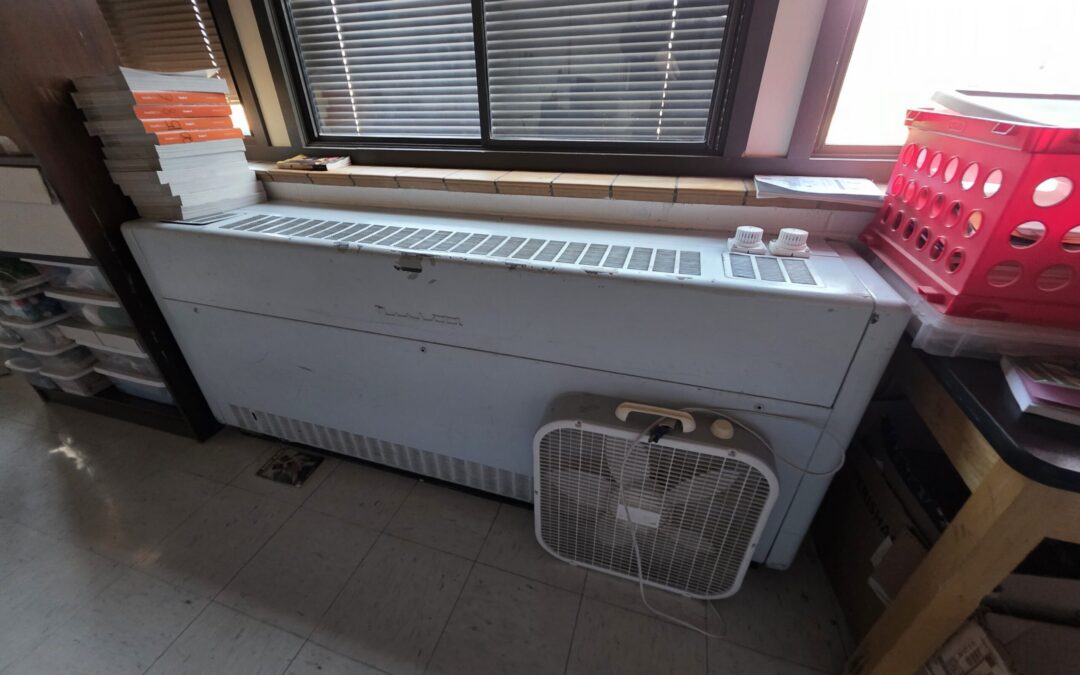
From 1950s Infrastructure to 21st Century Learning
Michael Heinrich, P.E.
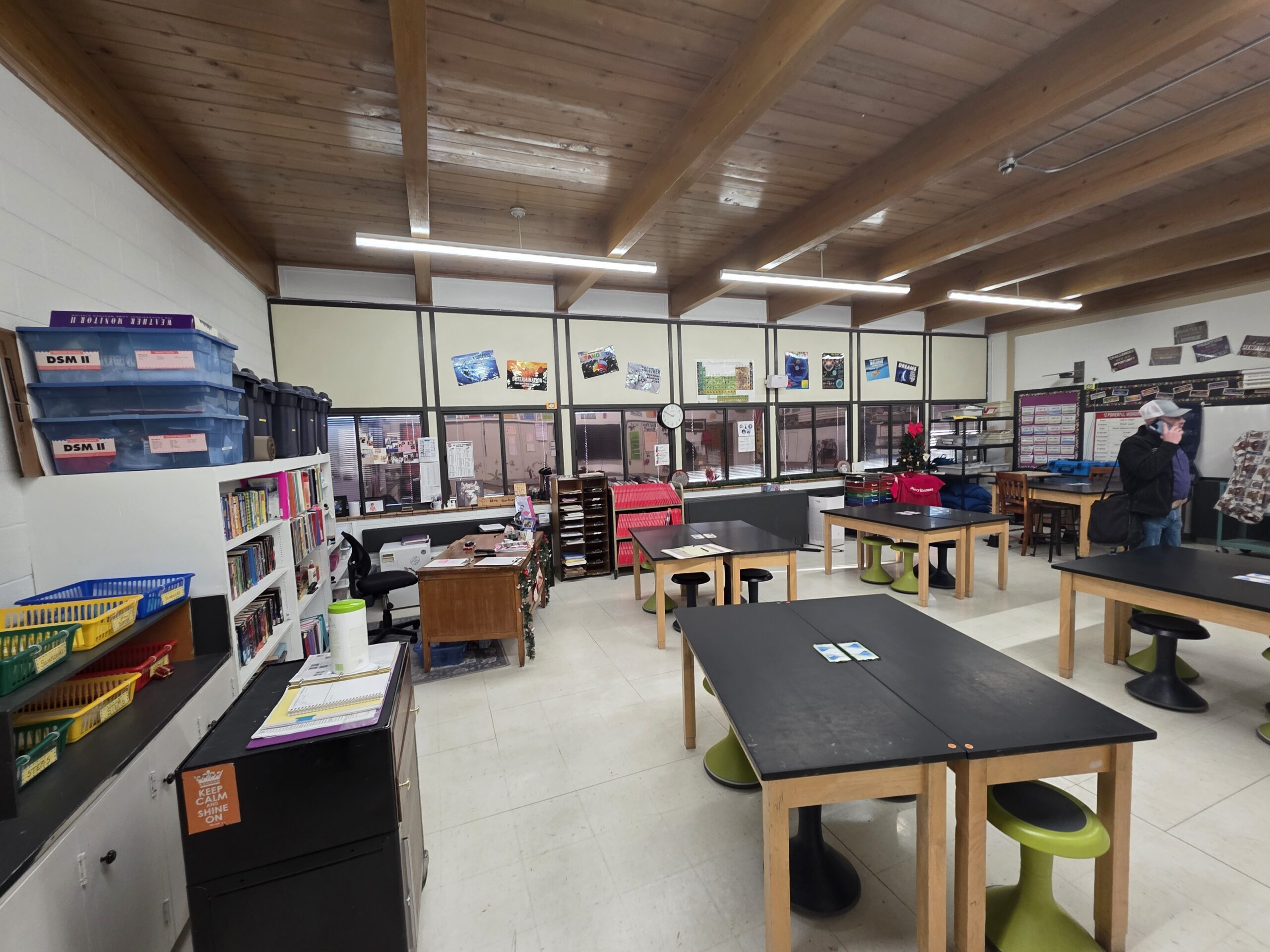
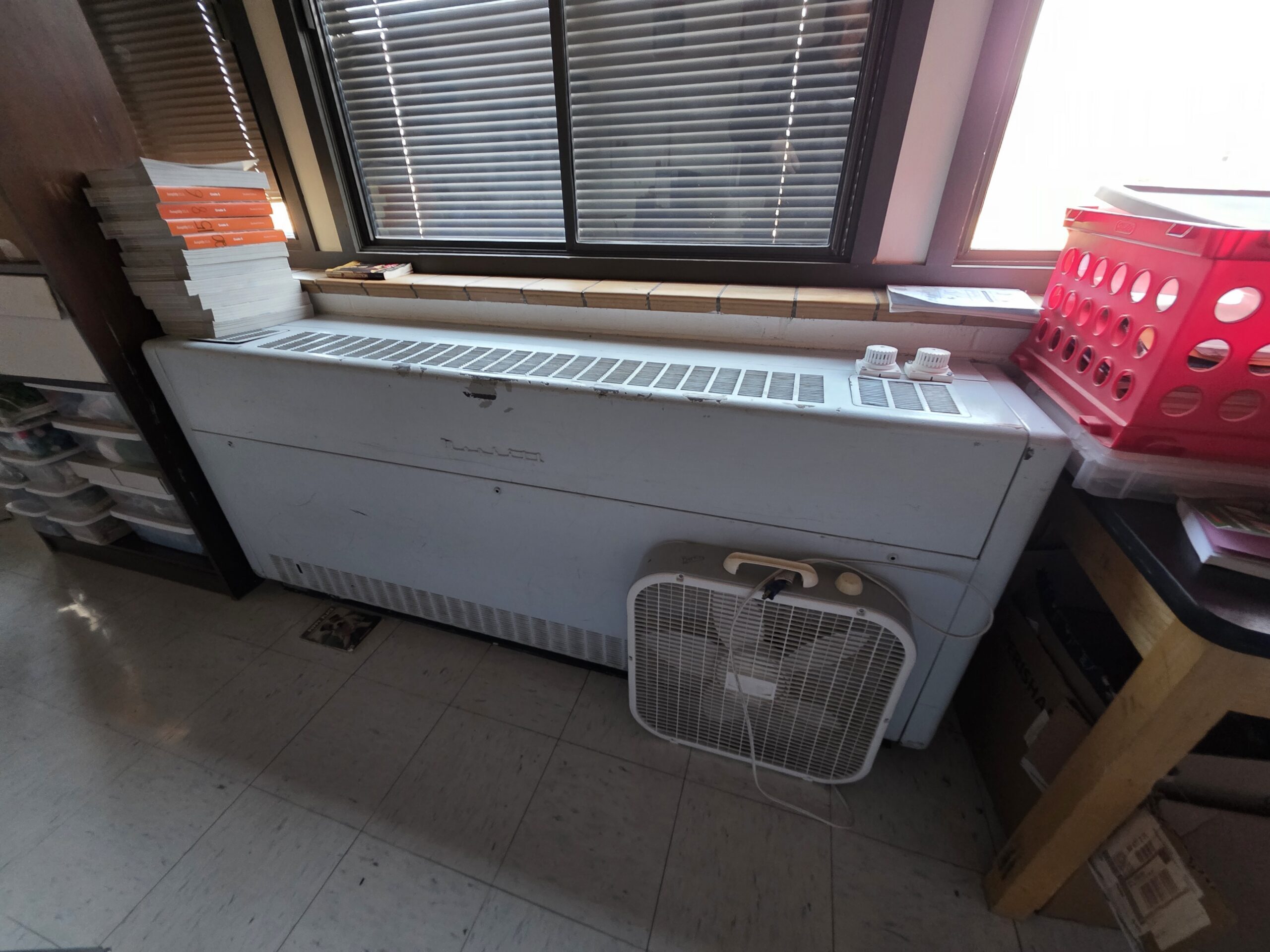
Following a comprehensive systems assessment in 2026, Hot Springs School District is considering a significant modernization of its Middle School MEP systems. The potential project would replace the building’s original hydronic unit ventilators, many of which date to the 1950s and no longer provide reliable heating, ventilation, or outside air. New unit ventilators would provide modern heating and ventilation while adding chilled-water cooling served by an air-cooled chiller. Supporting work is anticipated to include electrical service modifications for the new cooling equipment, energy-efficient lighting improvements, and comprehensive restroom renovations with updated plumbing systems and ADA-accessible fixtures.
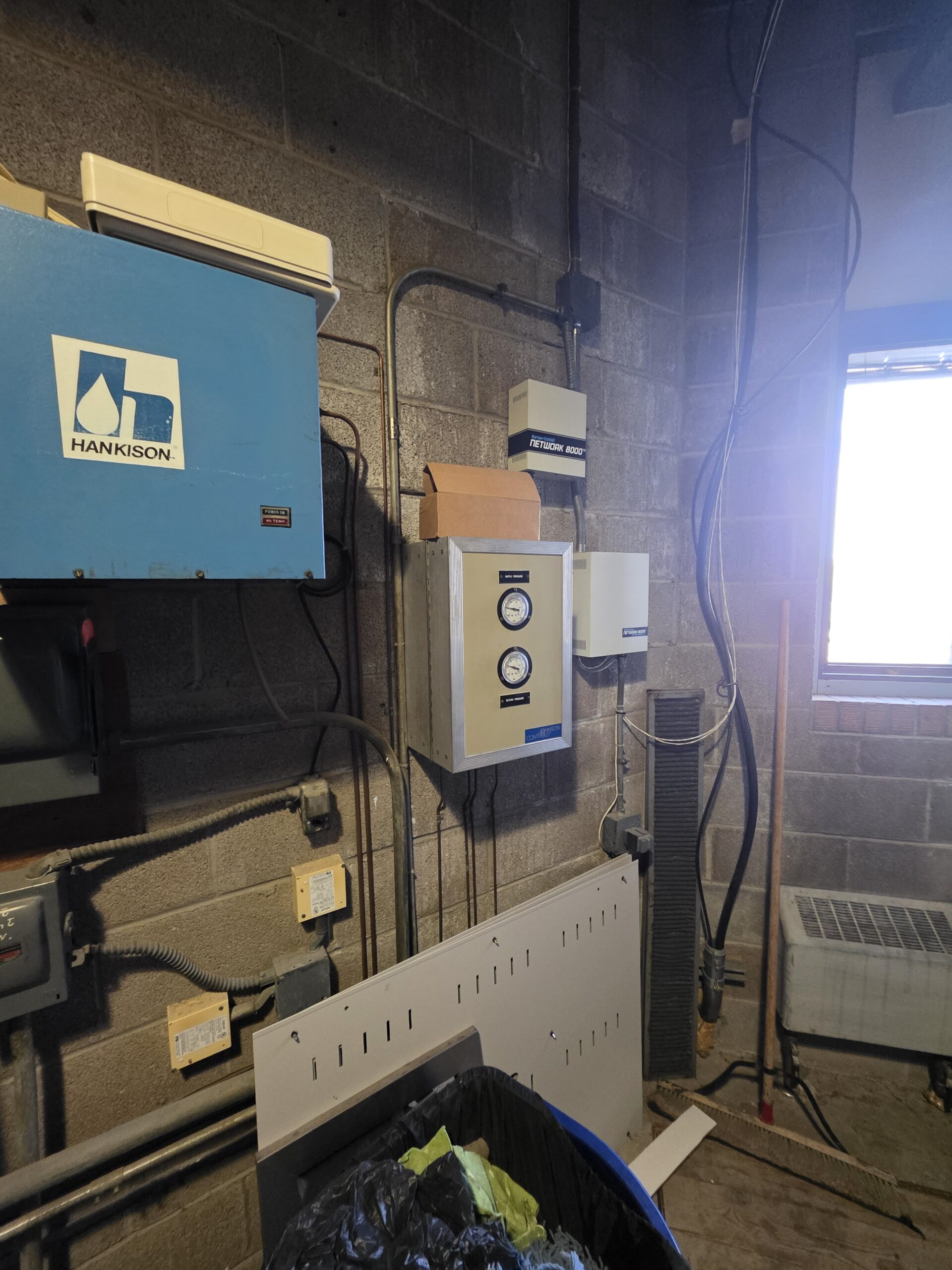
This proposed approach reflects the challenges many school districts face when evaluating aging facilities. At the Middle School, the existing boiler plant can produce adequate heating water, but the original distribution piping, controls, and classroom equipment have exceeded their expected service life and prevent the building from benefiting fully from that newer heating source. Rather than repairing obsolete unit ventilators or replacing the entire building infrastructure with a large centralized system, the assessment identified replacement unit ventilators with integrated cooling coils as a practical solution for the building’s limited mechanical and ceiling space. Horizontal and vertical unit ventilators remain under consideration, with each offering different advantages related to architectural impact, air distribution, cold-weather operation, maintenance, and cost.
The work is currently envisioned as a Middle School-focused improvement rather than a campus-wide project, although the final scope and construction phasing have not yet been established. The district is considered proceeding toward an end-of-year or January bid with construction during summer 2027. When the project proceeds, the improvements would provide a coordinated path toward better classroom comfort, dependable ventilation, improved accessibility, reduced maintenance concerns, and infrastructure that can serve the Middle School well into the future.
Michael Heinrich, P.E., Department Head & Mechanical Engineer, Rapid City
Michael Heinrich is a Professional Mechanical Engineer and leader of the Mechanical Department in our Rapid City office. He’s been with WPE for 26 years and is a a designated Building Energy Assessment Professional (BEAP) and Building Energy Modeling Professional (BEMP), ASHRAE certifications that identifies engineers who understand modeling principles and can accurately apply building energy quotient standards during the system evaluation and construction processes. He frequently utilizes these practices when working with clients and owners on existing system assessments and making recommendations for repairs, upgrdes or replacements.